A Grandfather's Battle
Allow me to start our story with a personal anecdote, one I've witnessed from my grandfather. As a Korean War veteran, I grew up hearing his battle stories: grandma would speak about how he was metaled for rescuing a fellow teammate from enemy artillery. She said it was in that combat which he was left with the numerous inch-long scar on his back. "Those shattered pieces of metal dug deep, and the doctors were only able to remove some, that's why grandpa suffers from backache every now and then."
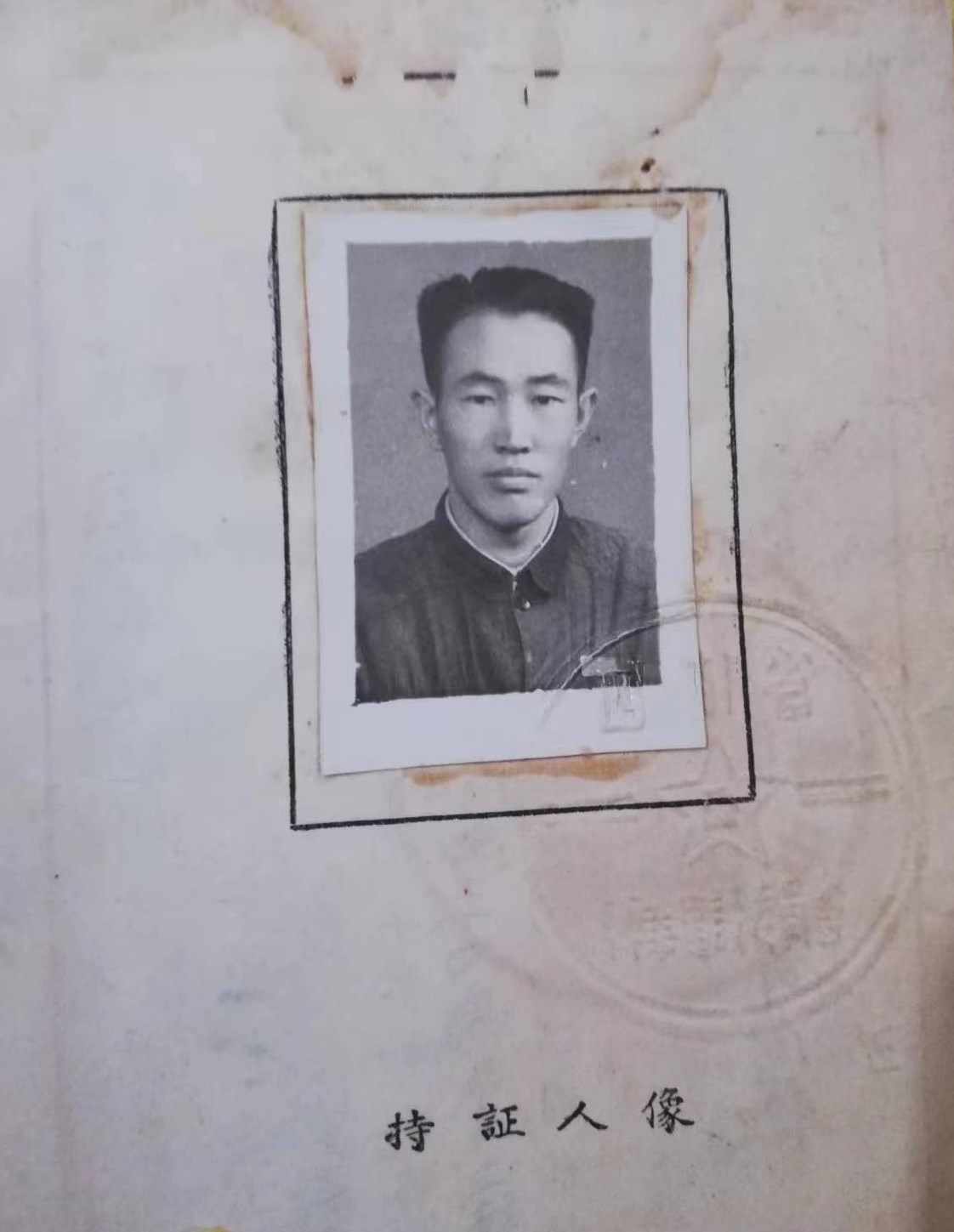
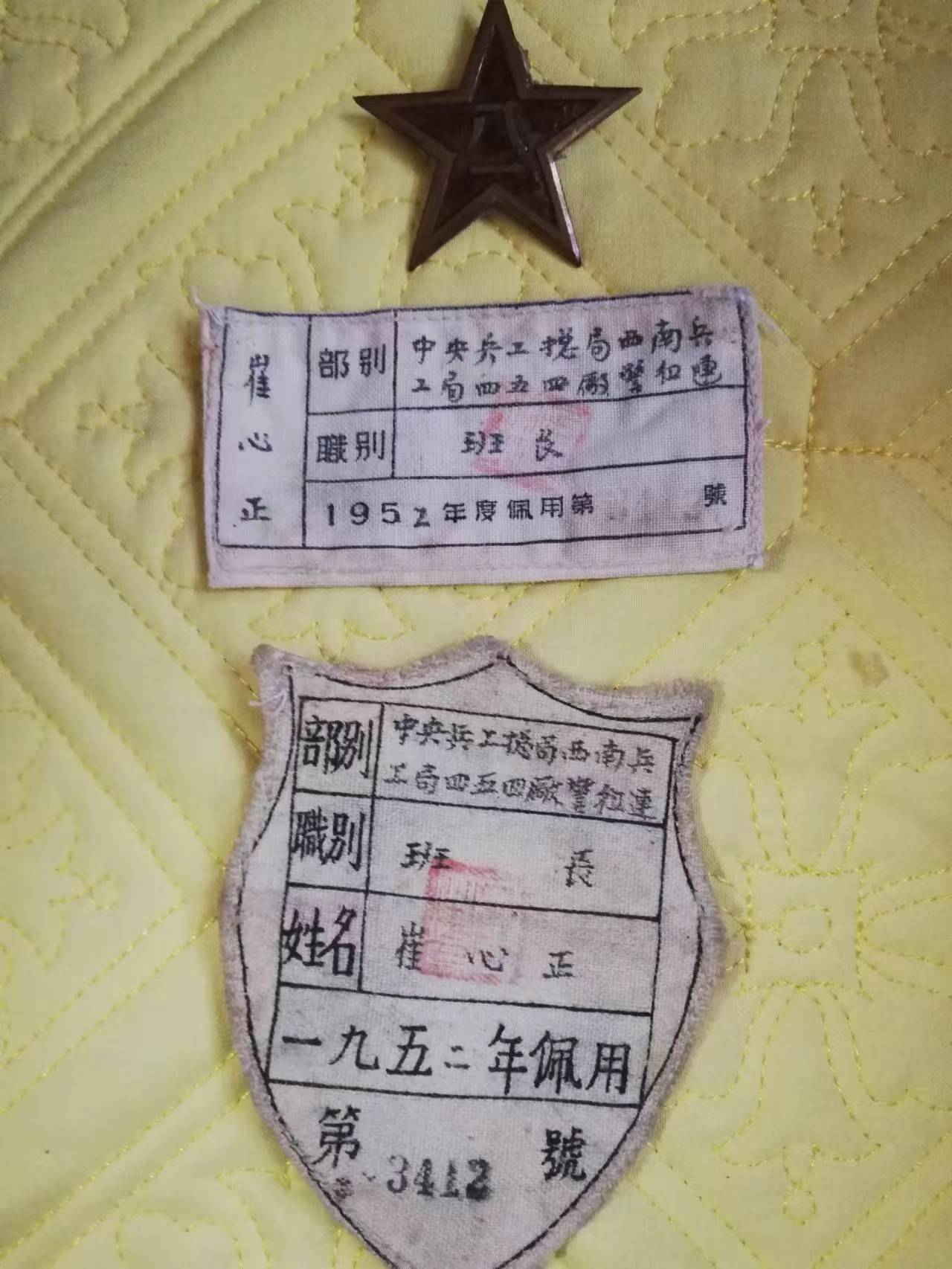
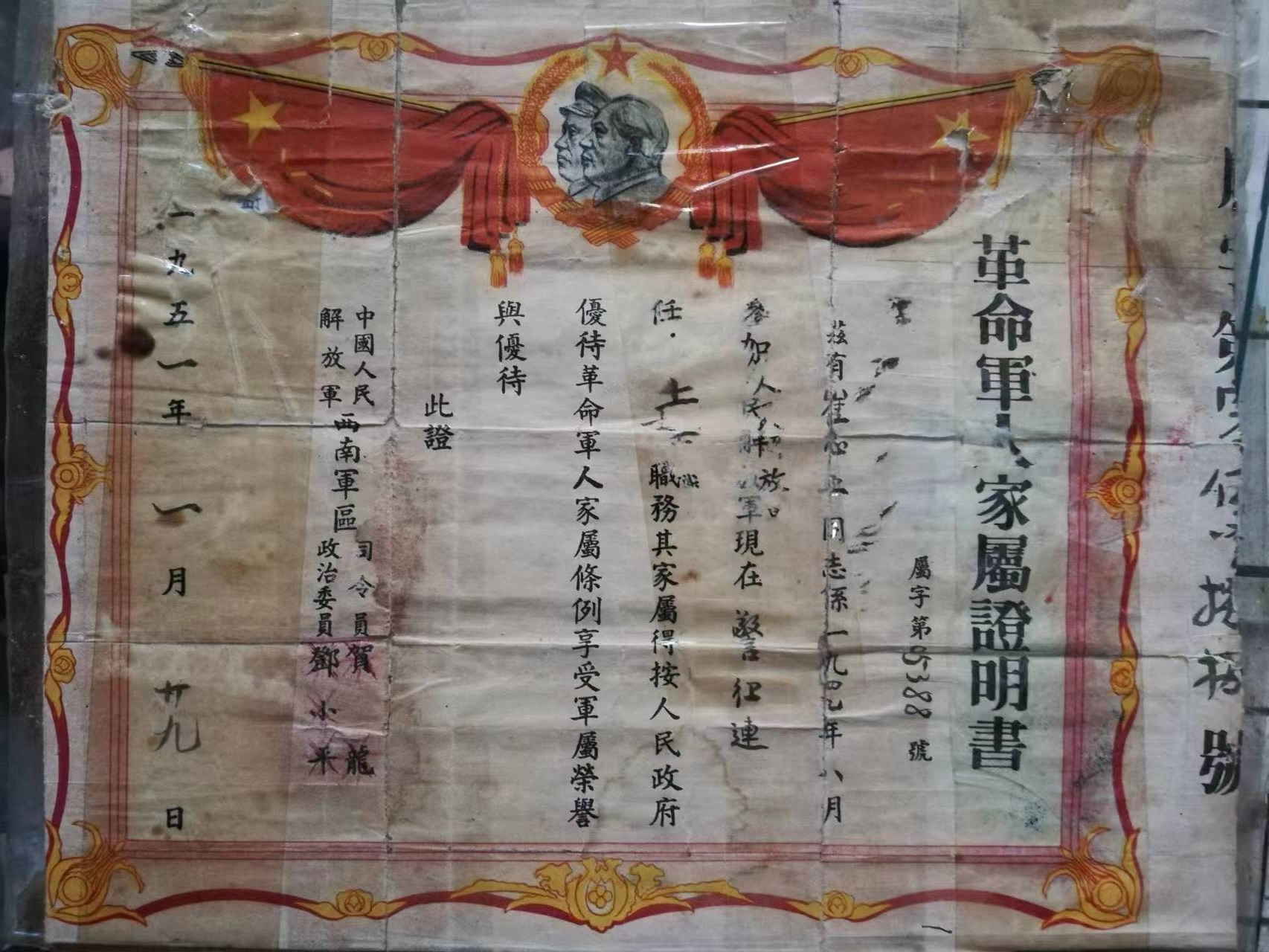
Every time when I ran to my grandpa to ask if the stories grandma told were true, he'd only smile and tell me things like: "peace is a valuable gift" or "it's fortunate that we don't have to fight anymore battles." But reality does tend to let people down. My grandfather fought three more battles in the latter half of his life, but the enemy was from within. He fought cancer three times.
Three Battles With Cancer
First Battle: Skin Cancer
The initial symptoms surfaced as a lump on his left cheek. The apprehension motivated him to have it surgically removed. Pathology confirmed it was skin cancer, but because it was detected early, it left no further impact.
Second Battle: Prostate Cancer
He experienced difficulty in urinating. Routine physical examination found elevated PSA levels, which implied urinary infection or prostate cancer. My grandpa was too old to endure a biopsy, so doctors decided to treat it as cancer just to be safe. He underwent six months of intervention treatment before stopping on his own—he never knew for sure if it was cancer or not.
Third Battle: Esophageal Cancer
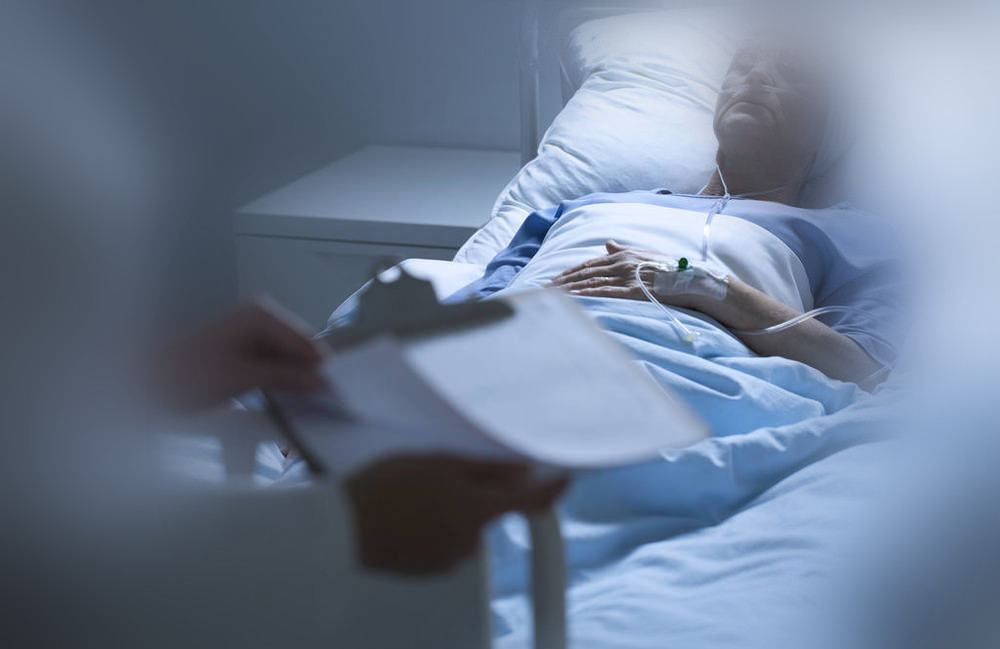
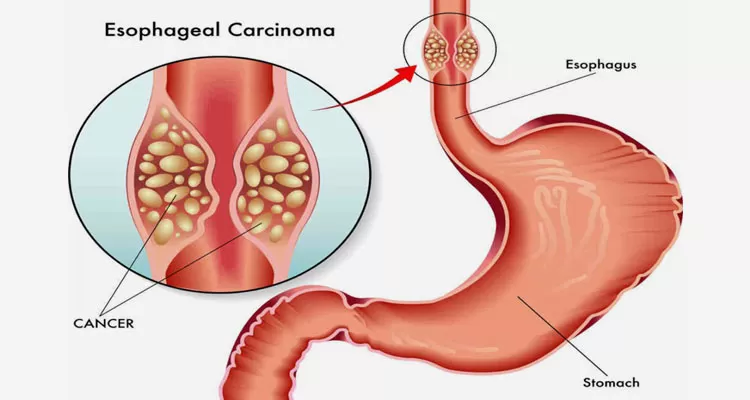
He had experienced difficulty in swallowing and had occasionally vomited. Though our family brought him to immediate medical attention, cancer has been quietly spreading in his body long before, and he was still diagnosed late-stage esophageal cancer. The tumor quickly blocked his digestive tract and prevented him from eating, and his high age made surgical removal impossible.
I watched my grandfather endured three months of suffering; unable to eat and surviving on the insufficient nutrition of intravenous infusion, he essentially "starved" to death.
Our Mission
This personal tragedy fuels our commitment to developing early detection technologies, so no one else has to suffer the way my grandfather did.
We believe that early detection can transform cancer from a death sentence into a manageable condition.
The Challenge of Early Detection
Over 90% of cancers can be successfully treated if detected early. But the reality is, for cancers like esophageal carcinoma, symptoms in its early stage are nearly invisible, and by the time when most patients notice the difficulty in swallowing, the disease itself has most likely advanced into late stage.
This stark contrast between the potential for successful treatment and the reality of late diagnosis is what drives our work at The Early Catchers. We are developing non-invasive screening methods that can detect cancer at its earliest, most treatable stages, before symptoms even appear.
Global Esophageal Cancer Statistics
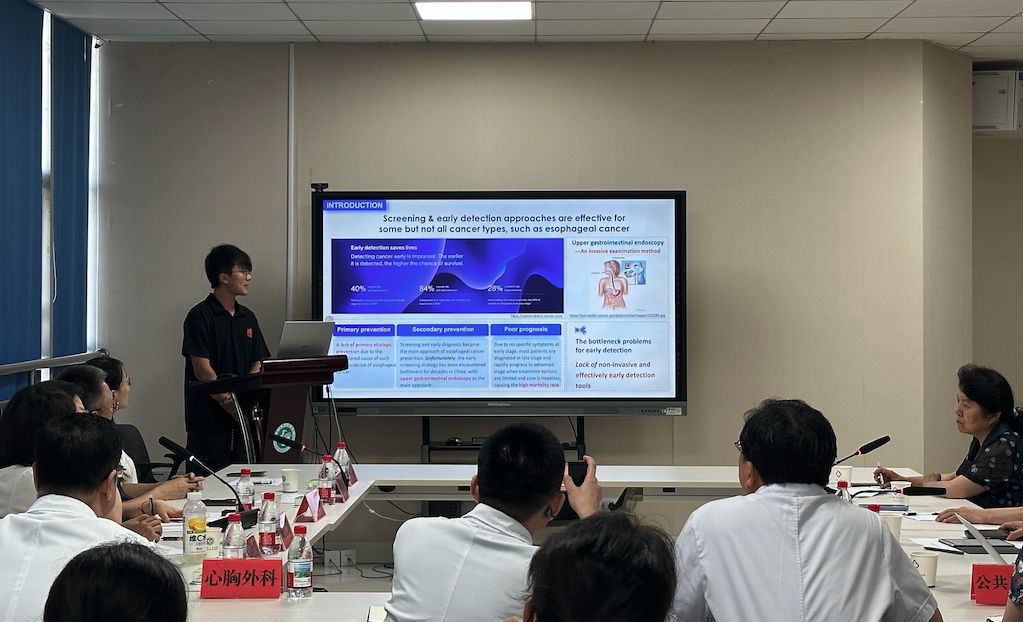
According to Global Cancer Observatory, there were 445,000 esophageal cancer deaths globally in 2022 and will increase by 85% to 826,000 in 2050, indicating a shockingly high mortality rate even when compared to other cancers, as the five-year survival rate for esophageal cancer remains below 20%.
The current primary tool for detecting esophageal cancer—endoscopy—has many drawbacks, as its invasive, expensive, require endoscopy resource (endoscopists, equipment), and uncomfortable characteristic leads to a significantly low adoption rate.
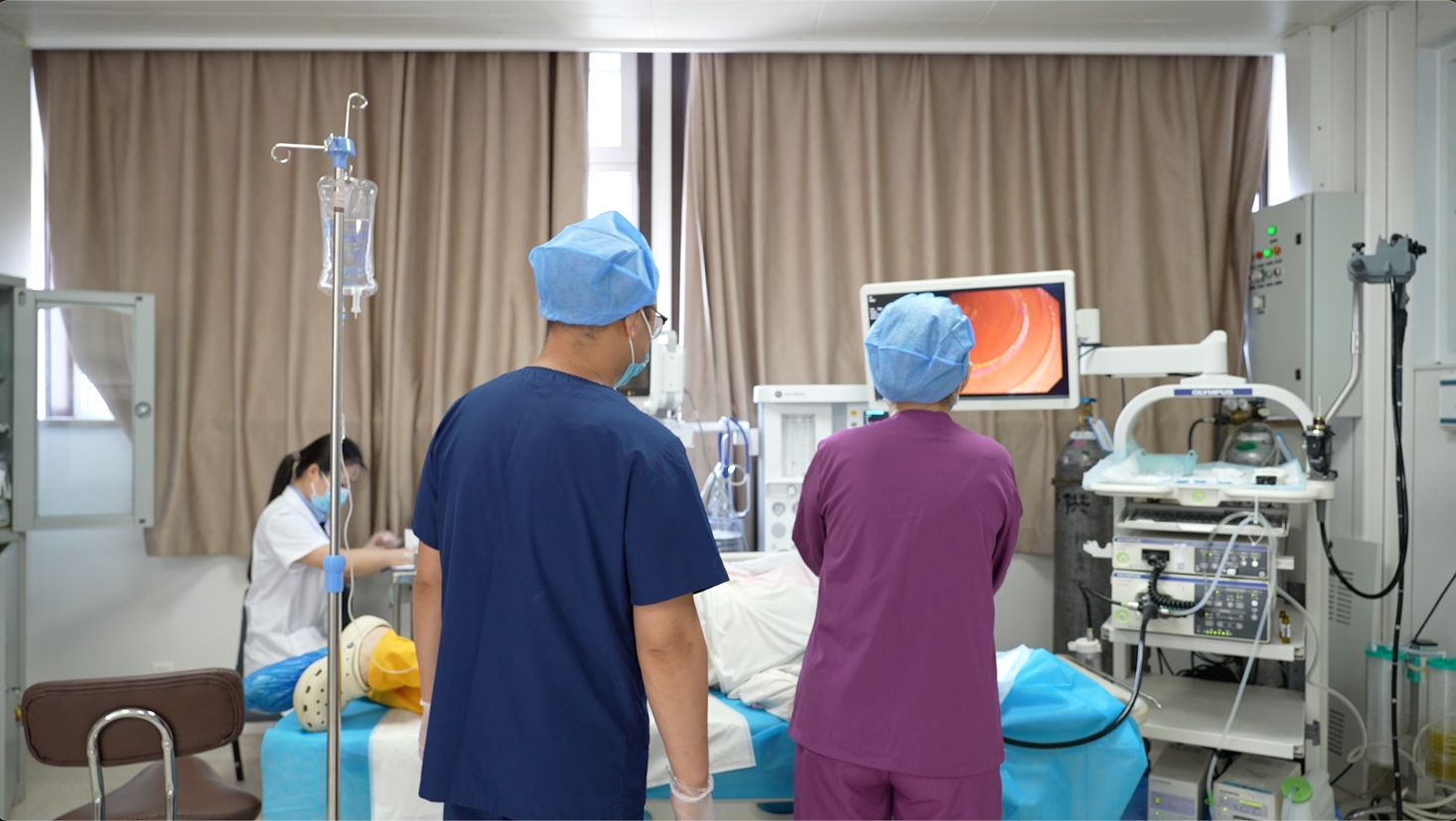
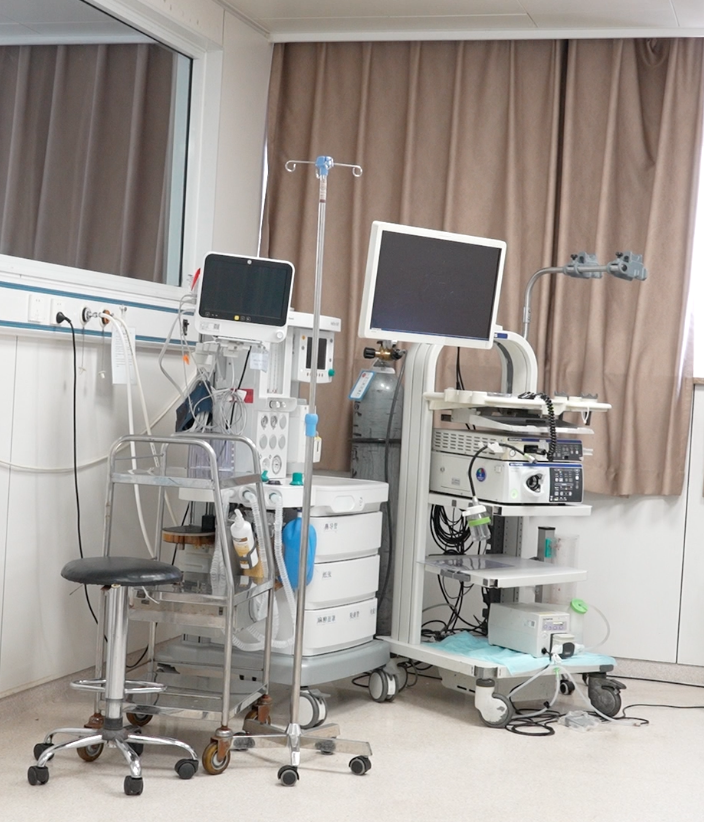
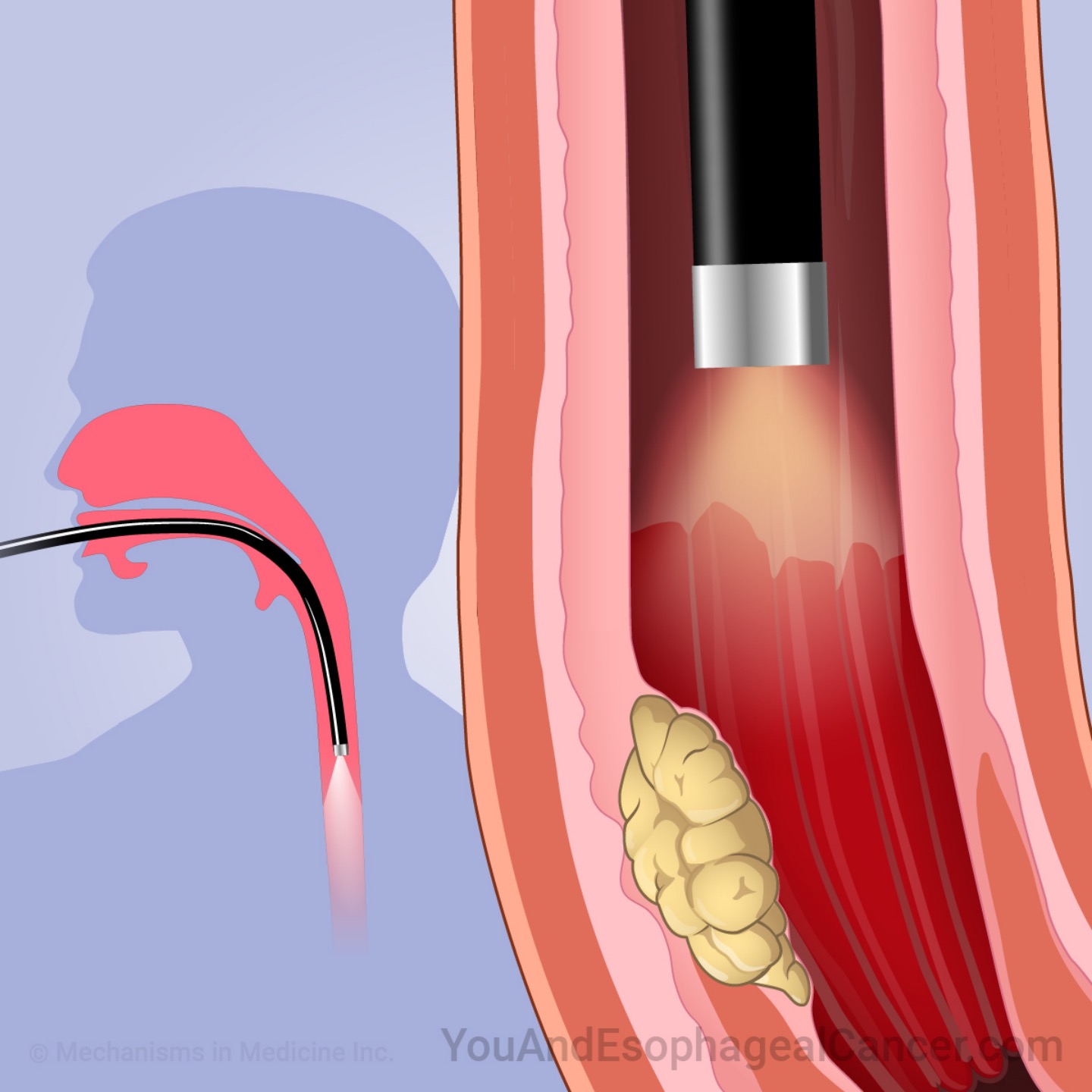
Looking at the disease from a public health perspective, it is without question that we lack effective early screening methods that can catch the disease early on.
How can we change this?
Our exploration began with a simple observation. In my hometown, Shanxi—a region where incidence rate of esophageal cancer remains strikingly high.
I volunteered at a local hospital and noticed that many patients also had severe oral health issues such as cavity and gum infection.
This made me wonder: could the bacteria in our mouths be connected to cancer developing in our digestive tract?
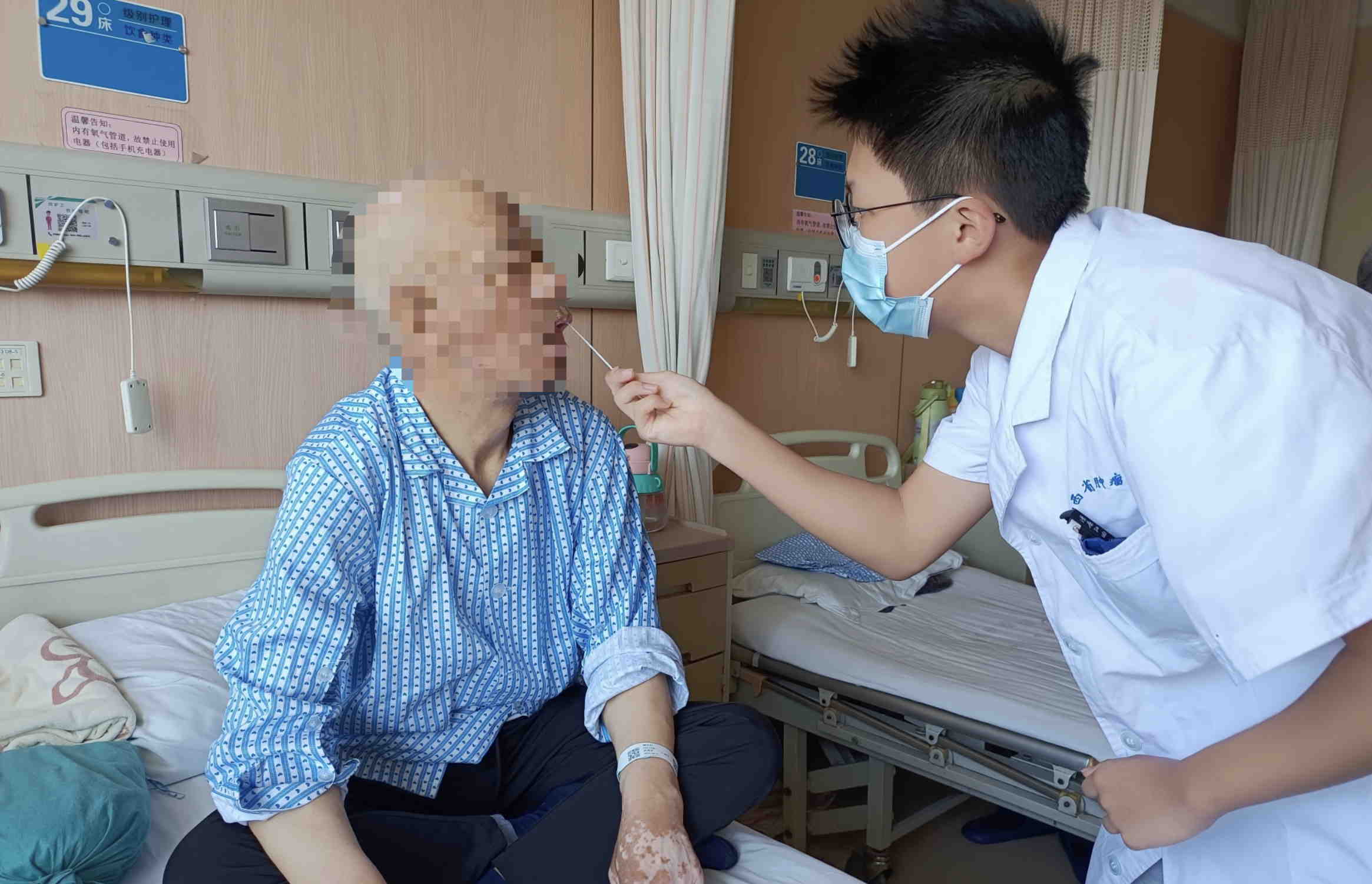
Poor oral hygiene & Periodontitis
Driven by this idea, I started oral microbiome research. Indeed, previous studies confirmed a link between oral microbial imbalance and esophageal cancer. But there is no reported detection model might detect esophageal cancer.
This was the critical gap in past research—and it became the starting point for our innovation.
Field Research in Changzhi
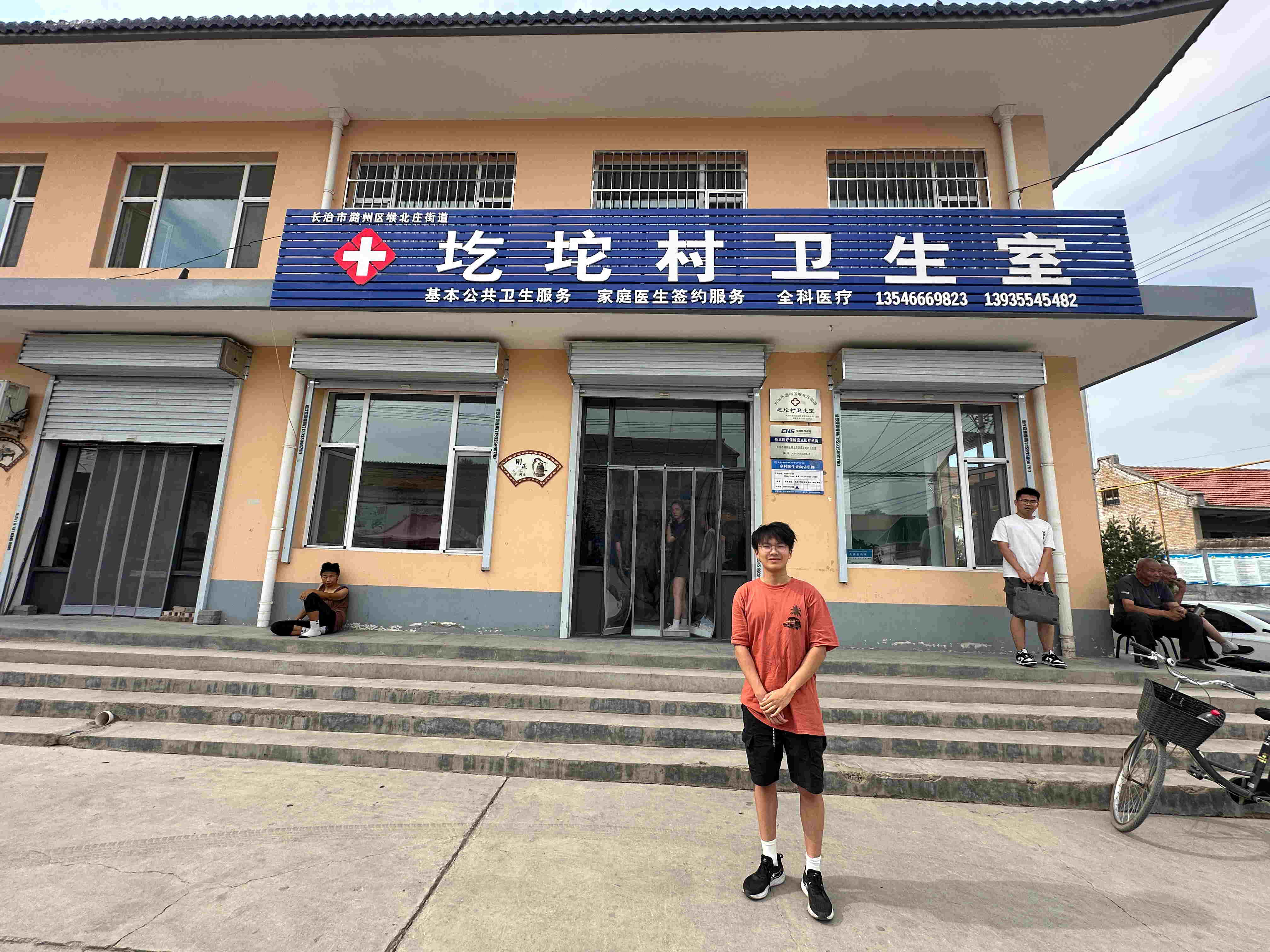
We've relocated our team to Changzhi, a prefecture where esophageal cancer prevalence rate significantly surpassed national average. I was tasked with household visits, and for weeks, I dedicated myself to communicating with villagers, understanding their eating habits and oral hygiene practices.
In the process of collecting saliva samples from high-risk individuals, I was shocked by not only the conditions of their oral cavity, but also the structural inequality of health education, access to oral hygiene best practices, and even preventative medical examination. That's where I further confirmed that filling the health economical gap through our innovation was the right thing to do.
Our findings in Changzhi revealed stark disparities in healthcare access. Many residents had never received dental checkups, let alone cancer screenings. This reinforced our commitment to developing a solution that doesn't just detect cancer early, but is also accessible to communities with limited healthcare resources.
That's where I further confirmed that filling the health economical gap through our research was the right thing to do.